Exposure Bicycle Lights Review

Quote from Gerhard on 13 May 2026, 7:58 amCycling at night is indeed dangerous. Being visible on the roads is the number one method to prevent a wild car hitting you! Or perhaps you just want to see where you're going at night — especially for off-road cyclists in a forest, night's darkness descends very quickly.
The vast majority of bicycle lights are plastic — I wanted some lights that felt a little more solid, and that would last me many years. After some online research, Exposure Lights seemed like an option worth trying — and I am very happy with my 3 lights. They are bright, the batteries last a good amount of time — and their aluminium construction is very solid.
These lights are not perfect in their design, but they are pretty close. We could take a closer look, briefly, at each of the 3 lights I have used over the past year, for my 40-minute commute through the dark and treacherous streets of Honolulu.
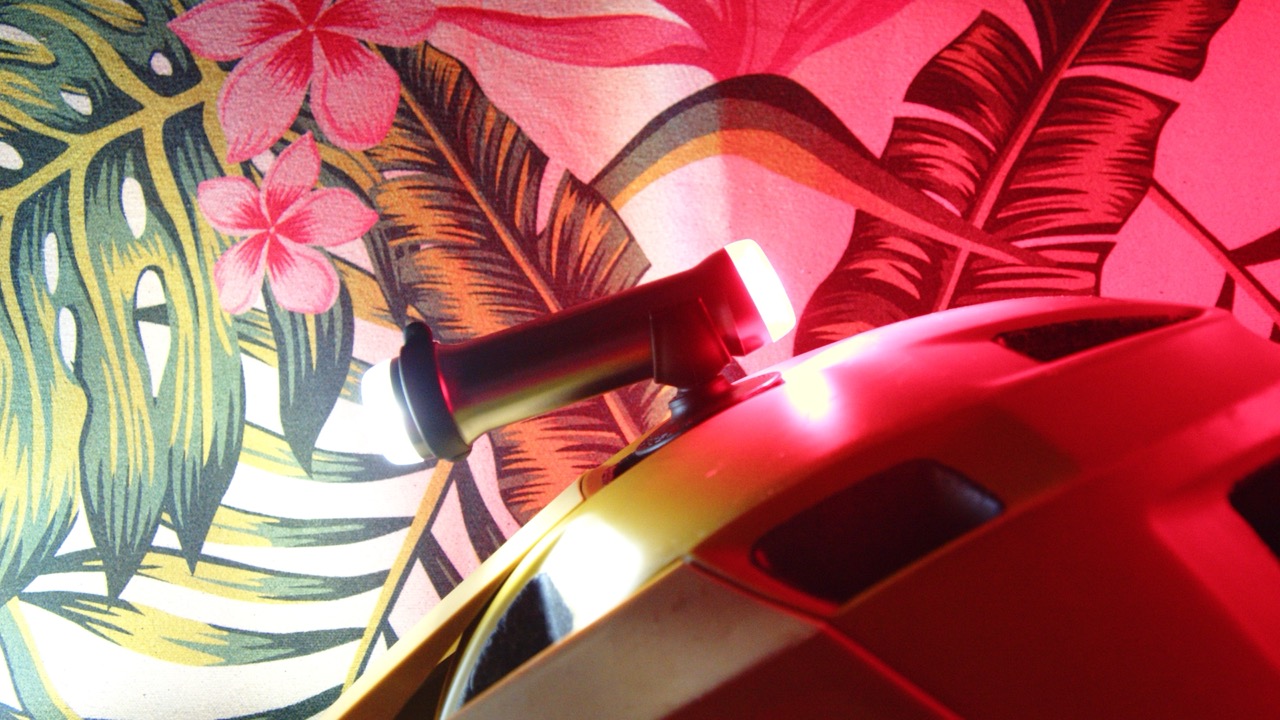
If you could only buy one of the lights, it would be best to choose the helmet light [Exposure Link Plus Mk4 DayBright Light – 450 lumens front, 50 lumens rear]. It has a very smart design, with a bright, white light up front in a narrow beam — and there is a red light behind you for visibility to other drivers. This is such a good safety feature! Having these two lights high-up makes a cyclist much easier to spot for the other traffic on the road. The front beam is impressively bright. Many times I have looked up at a highrise building, and am surprised how high up it is illuminated by this little torch!
My greatest feedback to the manufacturer is regarding the attachment for bolting the light's bracket onto the helmet — it is made of plastic — and it could easily snap if over-tightened. For such a nice, aluminium light — the means of attachment to the helmet is quite sub-par. If this plastic bolt is to break, what is the user to do with their $110USD helmet light?
The helmet light is charged with any USB-C cable — which is very convenient. This helmet light, and all three of them, have a nice rubber covering protecting the charging port — and you definitely take these out during heavy rain — I've done so many times. The rear light also is charged by USB-C, which is very convenient. The front light, weirdly, is charged by this tube-style plug — which is very inconvenient. There is a charging cable in the box, but USB-C is so much better.
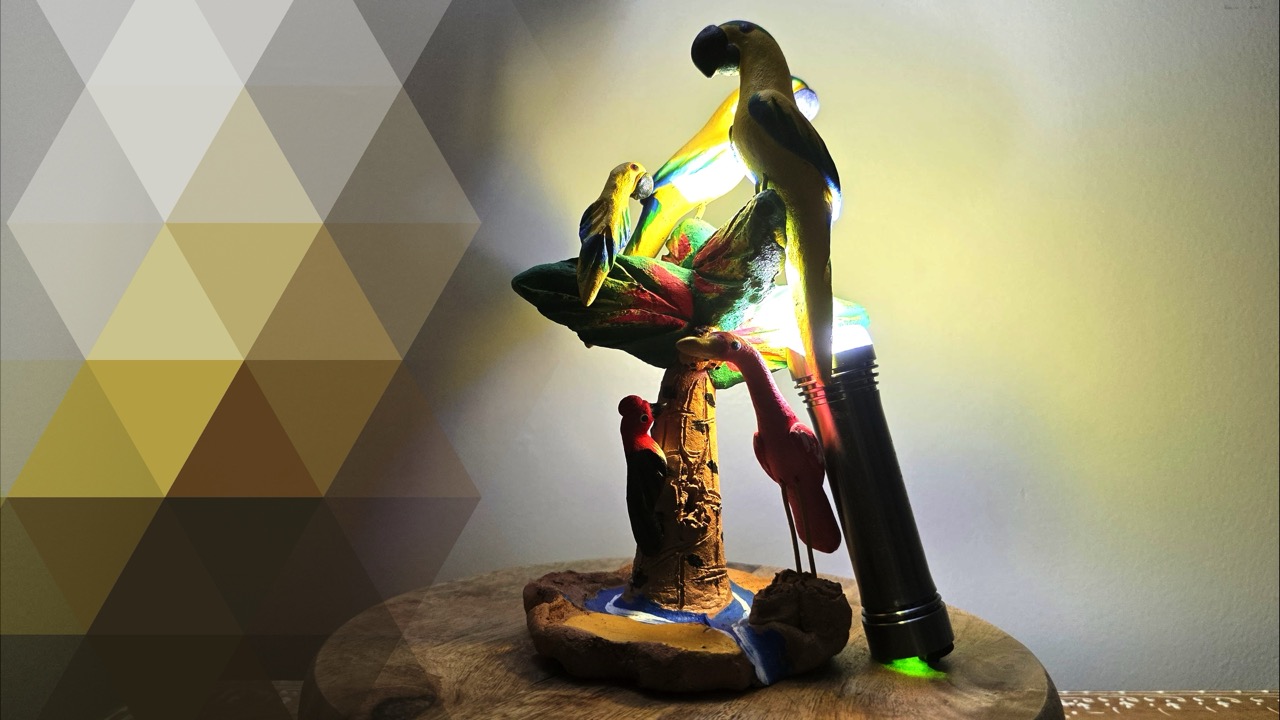
Apart from the weird charger, the front light is very good [The Sirius Mk10]. I love it! It is super bright! But this time in a very wide cone. It is easy to switch through the 3 levels of brightness — the brightest setting at 900 lumens lasting over 45 minutes. I'm not sure how much longer, as my morning commute is never over this time frame. The torch is solid, bright and tough.
The mounting of the headlight is good and sturdy, and the bracket comes with a tough rubber strap. For me, I wanted to mount it directly in the center of my handlebars — for symmetry you see — but that wasn't possible with the rubber strap solution — and required some ingenuity to mount here.
Finally, the tail light [The TraceR Mk3]. I have zero complaints, nor any feedback for improvements on this one — it's pretty darn perfect. It mounts well, is quite bright, the battery is excellent, and it is tough! This red rear light has multiple settings — for being on steadily, or various flashing modes. I praise Exposure Lights for having all of these settings in an old-school press-down-the-button-for-x-seconds type of deal. There are no annoying apps or bluetooth connections.
The same is also true for the helmet's rear, red light — which can be on solidly, or pulse in various modes.
I do like these lights a lot. I would definitely gift someone a set at Christmas or a birthday if anyone in my family starts to cycle at nights.
Their only real drawback is price. I mentioned the helmet light costs $110; the front and rear lights came as a package, at a price of $165 USD. These aluminium lights are made in the UK, and are of a high quality — the price does seem fair to me — and these guys have served me well over a year of near daily use. I have found the helmet light in particular so valuable, that I purchased another one as a gift for my partner.
Exposure's website actually has a huge variety of options. If you really want to brighten up the forest as you cycle at night, you can buy much more powerful torches than the ones I talked about here. Not once have I found myself wishing for more lights, however, these models I show are more than good-enough for city use. Indeed, going much brighter could start to seriously blind other road users, so be cautious there, lest your blinding lights be the cause of an accident!
Stay safe on the dark roads, and enjoy your bicycle journeys!
Cycling at night is indeed dangerous. Being visible on the roads is the number one method to prevent a wild car hitting you! Or perhaps you just want to see where you're going at night — especially for off-road cyclists in a forest, night's darkness descends very quickly.
The vast majority of bicycle lights are plastic — I wanted some lights that felt a little more solid, and that would last me many years. After some online research, Exposure Lights seemed like an option worth trying — and I am very happy with my 3 lights. They are bright, the batteries last a good amount of time — and their aluminium construction is very solid.
These lights are not perfect in their design, but they are pretty close. We could take a closer look, briefly, at each of the 3 lights I have used over the past year, for my 40-minute commute through the dark and treacherous streets of Honolulu.
If you could only buy one of the lights, it would be best to choose the helmet light [Exposure Link Plus Mk4 DayBright Light – 450 lumens front, 50 lumens rear]. It has a very smart design, with a bright, white light up front in a narrow beam — and there is a red light behind you for visibility to other drivers. This is such a good safety feature! Having these two lights high-up makes a cyclist much easier to spot for the other traffic on the road. The front beam is impressively bright. Many times I have looked up at a highrise building, and am surprised how high up it is illuminated by this little torch!
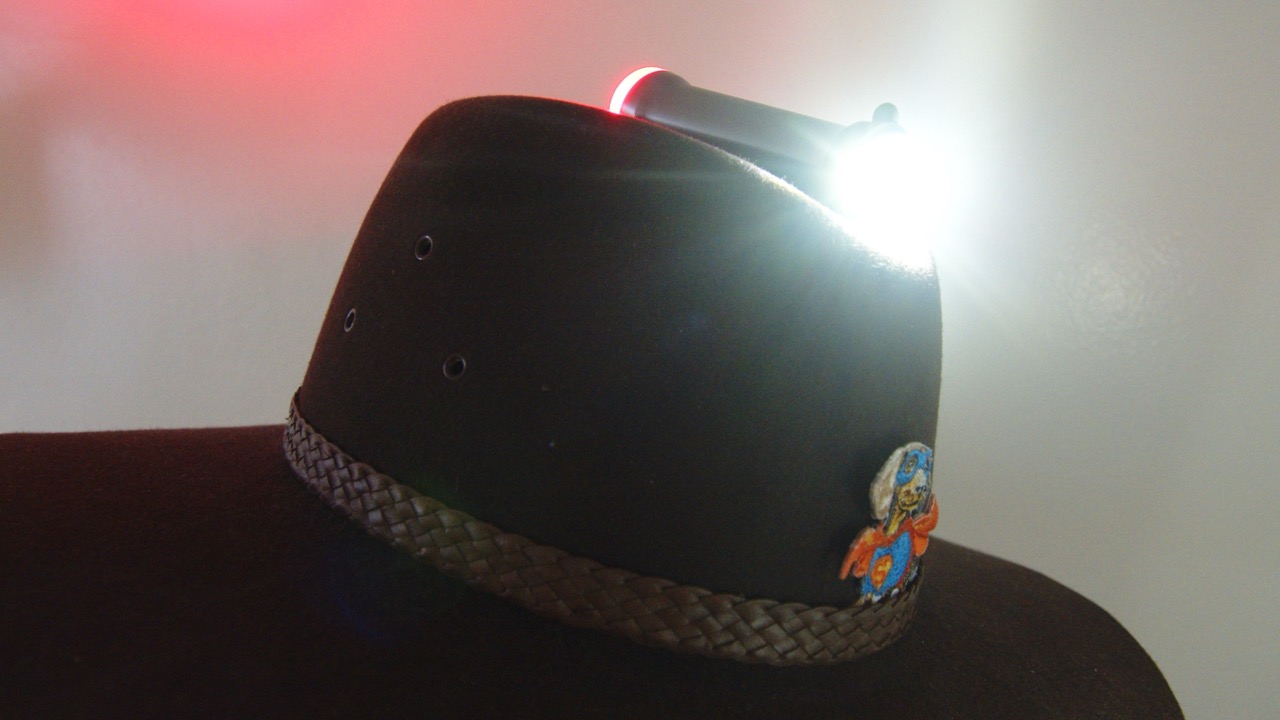
My greatest feedback to the manufacturer is regarding the attachment for bolting the light's bracket onto the helmet — it is made of plastic — and it could easily snap if over-tightened. For such a nice, aluminium light — the means of attachment to the helmet is quite sub-par. If this plastic bolt is to break, what is the user to do with their $110USD helmet light?
The helmet light is charged with any USB-C cable — which is very convenient. This helmet light, and all three of them, have a nice rubber covering protecting the charging port — and you definitely take these out during heavy rain — I've done so many times. The rear light also is charged by USB-C, which is very convenient. The front light, weirdly, is charged by this tube-style plug — which is very inconvenient. There is a charging cable in the box, but USB-C is so much better.
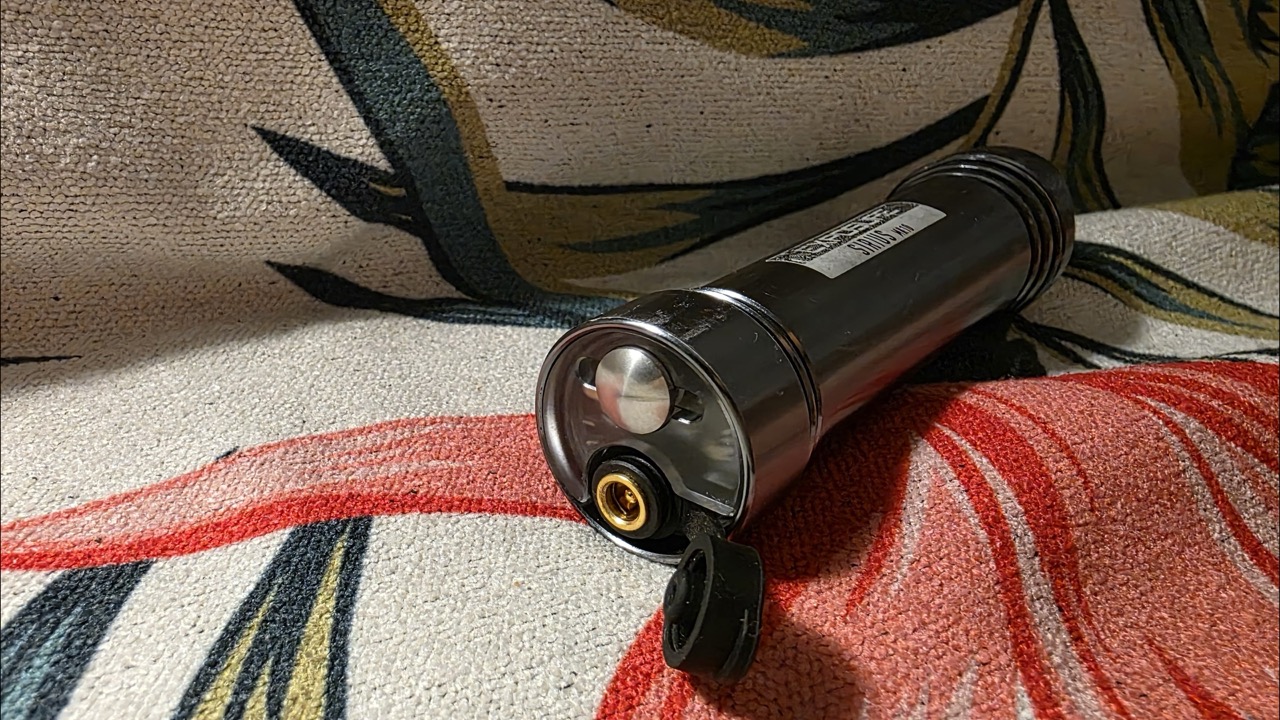
Apart from the weird charger, the front light is very good [The Sirius Mk10]. I love it! It is super bright! But this time in a very wide cone. It is easy to switch through the 3 levels of brightness — the brightest setting at 900 lumens lasting over 45 minutes. I'm not sure how much longer, as my morning commute is never over this time frame. The torch is solid, bright and tough.
The mounting of the headlight is good and sturdy, and the bracket comes with a tough rubber strap. For me, I wanted to mount it directly in the center of my handlebars — for symmetry you see — but that wasn't possible with the rubber strap solution — and required some ingenuity to mount here.
Finally, the tail light [The TraceR Mk3]. I have zero complaints, nor any feedback for improvements on this one — it's pretty darn perfect. It mounts well, is quite bright, the battery is excellent, and it is tough! This red rear light has multiple settings — for being on steadily, or various flashing modes. I praise Exposure Lights for having all of these settings in an old-school press-down-the-button-for-x-seconds type of deal. There are no annoying apps or bluetooth connections.
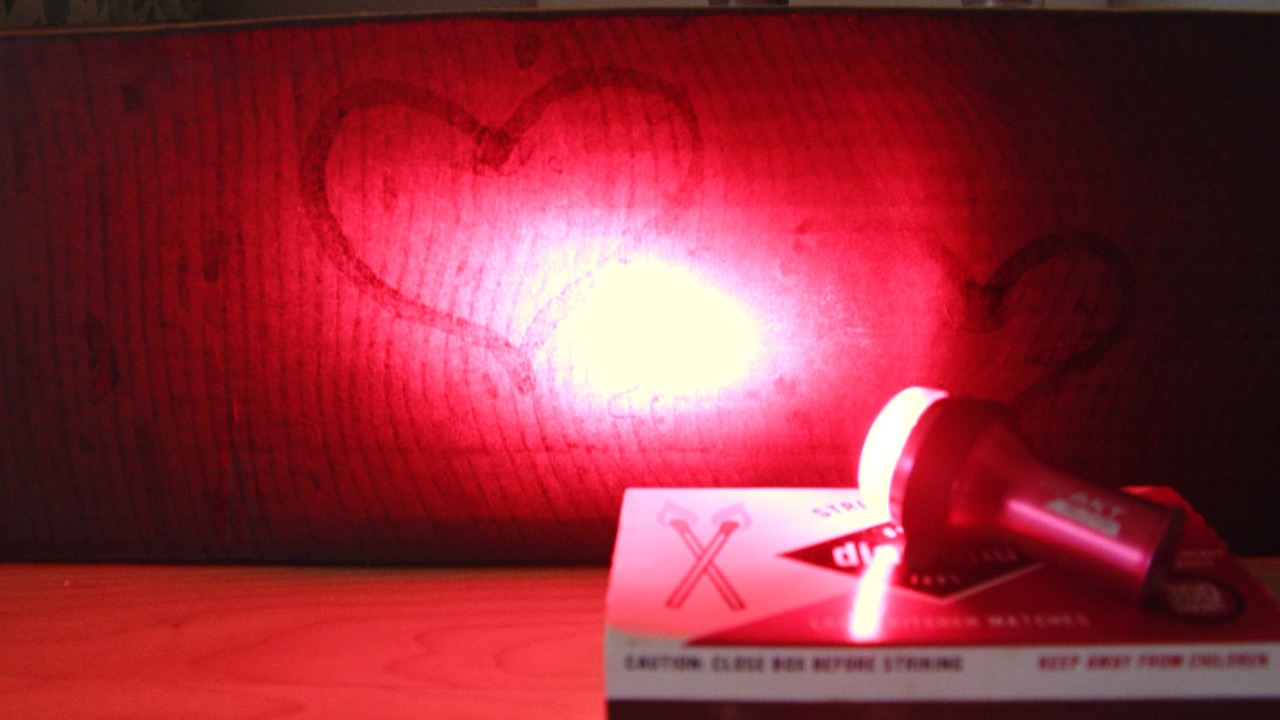
The same is also true for the helmet's rear, red light — which can be on solidly, or pulse in various modes.
I do like these lights a lot. I would definitely gift someone a set at Christmas or a birthday if anyone in my family starts to cycle at nights.
Their only real drawback is price. I mentioned the helmet light costs $110; the front and rear lights came as a package, at a price of $165 USD. These aluminium lights are made in the UK, and are of a high quality — the price does seem fair to me — and these guys have served me well over a year of near daily use. I have found the helmet light in particular so valuable, that I purchased another one as a gift for my partner.
Exposure's website actually has a huge variety of options. If you really want to brighten up the forest as you cycle at night, you can buy much more powerful torches than the ones I talked about here. Not once have I found myself wishing for more lights, however, these models I show are more than good-enough for city use. Indeed, going much brighter could start to seriously blind other road users, so be cautious there, lest your blinding lights be the cause of an accident!
Stay safe on the dark roads, and enjoy your bicycle journeys!
Contact
- c
- o
- n
- t
- a
- c
- t
- @
- f
- a
- v
- o
- u
- r
- i
- t
- e
- .
- f
- o
- r
- u
- m